
5 Best Times to Go on Safari in Africa by Destination
The best time to go on safari in Africa is the dry season, roughly June to October in East Africa and May to October in much of southern Africa. Grass is short, animals gather at shrinking water sources, and roads are passable. The right month still depends on the park and on what you want to see, so the five picks below pair a destination with a goal. Tanzania suits Great Migration chasers and first-timers. Kenya suits anyone set on river crossings. Botswana suits water-based safaris. South Africa suits first-timers who want simple logistics. Namibia suits photographers and road-trippers.
Most advice gives you one answer, such as "go in July," and that answer is wrong for half of the trips. Rain, animal movement, crowds and rates all shift by region. We are a Tanzania-based operator, founded by safari guide William Kipera, who has more than nine years of guiding experience. We plan trips around where the wildlife actually is in a given month.
Each pick below covers the best months, what you will see, the trade-offs and who it suits. These are typical patterns. Weather and herd movements change from year to year, so confirm your dates with your operator before you book.
1. Tanzania for the Great Migration and first safaris
Best months
Tanzania’s dry season from June to October is the safest window for classic game viewing in the Serengeti, Tarangire and the southern parks. The Great Migration moves in a loop, so your goal sets the month.
- January to March: calving season in the southern Serengeti and Ndutu area, with newborn wildebeest and hunting predators. Calving peaks around February.
- June to July: herds move through the western Serengeti and head north.
- Late July to September: Mara River crossings in the northern Serengeti. Exact timing shifts every year.
- October to November: herds begin drifting south again and crowds thin.
- April to May: long rains, green scenery, the lowest rates, and some camps closed.
Choose January to March for calving or late July to September for river crossings.
Wildlife and trade-offs
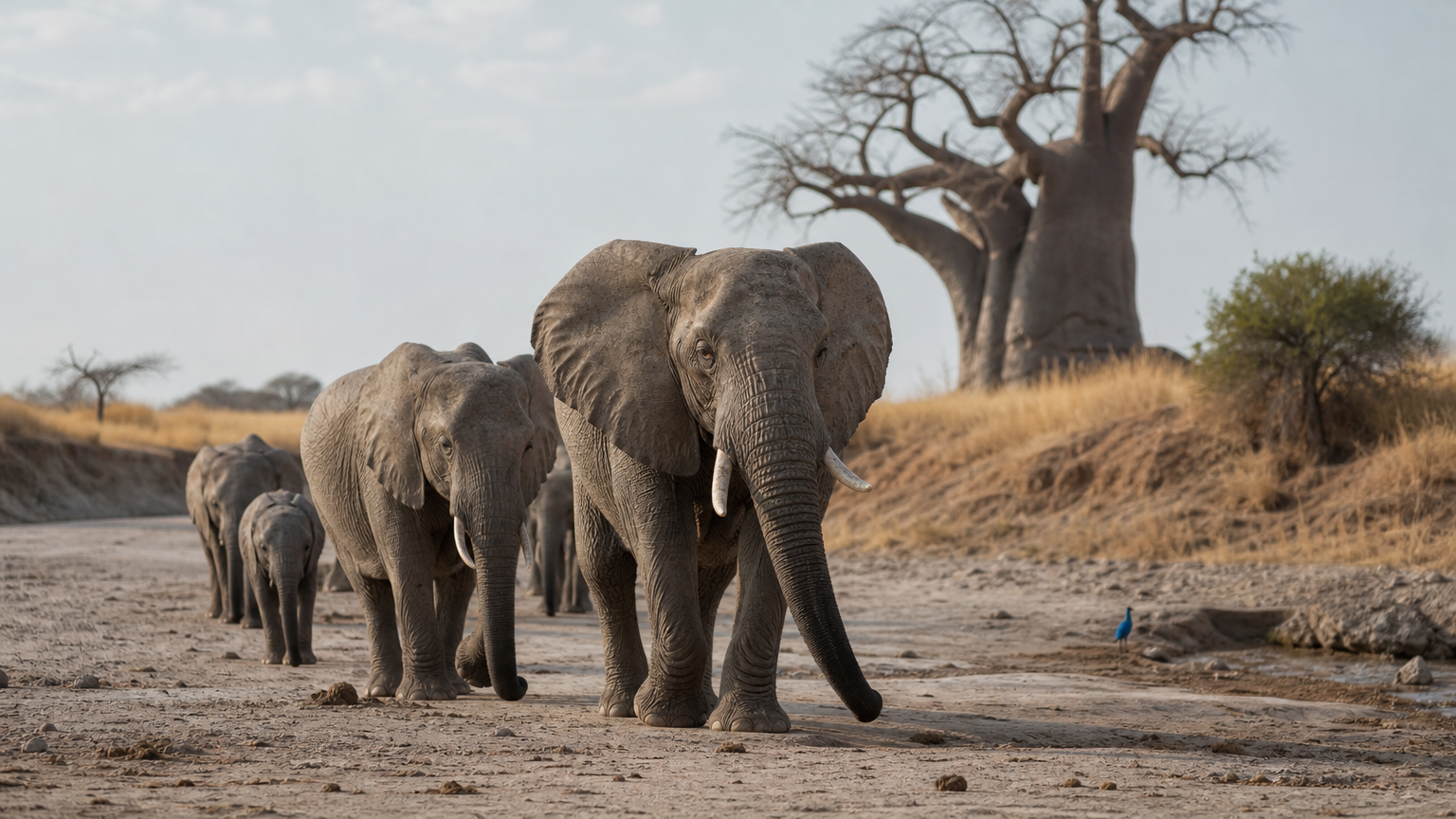
Tarangire’s elephants concentrate along the river in the dry months, and Ngorongoro Crater delivers year-round, though it is busiest in peak season. Ruaha and Nyerere in the south are also best from June to October, with far fewer vehicles than the northern circuit.
This pick suits first-timers, honeymooners and families, especially if you want a Zanzibar beach finish. Our 8-day Serengeti and Zanzibar holiday starts at about $4,303 per person. Our 8-day southern Tanzania safari starts at about $2,315 per person.
2. Kenya’s Maasai Mara for river crossings
Best months
The Mara’s prime window is July to October, when migrating herds arrive from Tanzania and face the Mara River. Crossings are never scheduled, so plan several days in the area rather than one.
- July to September: peak migration presence and the highest rates.
- January to February: dry, quieter, with resident big cats active.
- April to May: long rains, with muddy roads and lower prices.
- November: short rains, which are usually brief.
Go between July and October for river crossings, and book early.
Wildlife and trade-offs
The Mara holds resident lions, cheetahs and elephants all year, so the reserve rewards a trip outside migration months too. Expect many vehicles at popular crossing points in August. Book 6 to 12 months ahead for July to September, because the best camps fill first.
This pick suits travelers who want a compact trip with a short flight from Nairobi. It also suits anyone who cares more about dramatic river scenes than quiet bush time.
3. Botswana’s Okavango Delta for water safaris
Best months
The Delta is best from June to October, which surprises many travelers. Floodwater from the Angolan highlands reaches the Delta during the dry season, so you get lush channels and concentrated wildlife at the same time.
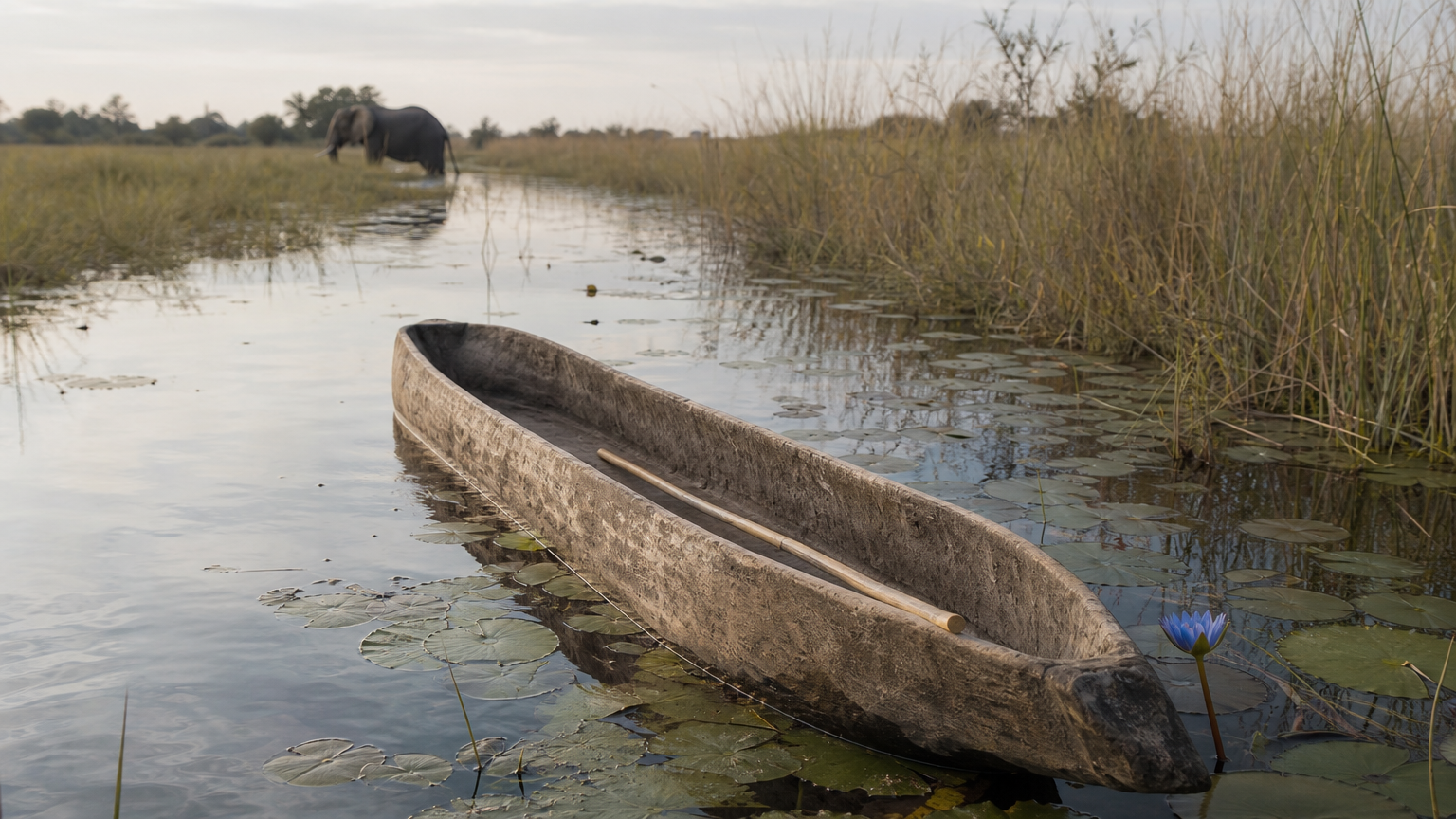
- June to August: flood peak, boat and mokoro excursions, cool mornings.
- September to October: hotter, with wildlife crowding the remaining water.
- November to March: green season, with births, birds and lower rates, but heavy rain.
Visit June to October for water and wildlife together.
Wildlife and trade-offs
Expect elephants, hippos, lions, wild dogs and extraordinary birdlife. Botswana’s remote camps are among the priciest in Africa, and peak dates sell out far ahead.
This pick suits travelers who want a quiet, exclusive trip and have a larger budget. It also suits those who prefer boats and walking over long drives.
4. South Africa’s Kruger for easy first safaris
Best months
Kruger is best from May to September, the dry winter. Vegetation thins, animals visit waterholes, and sightings are easier to spot from the road.
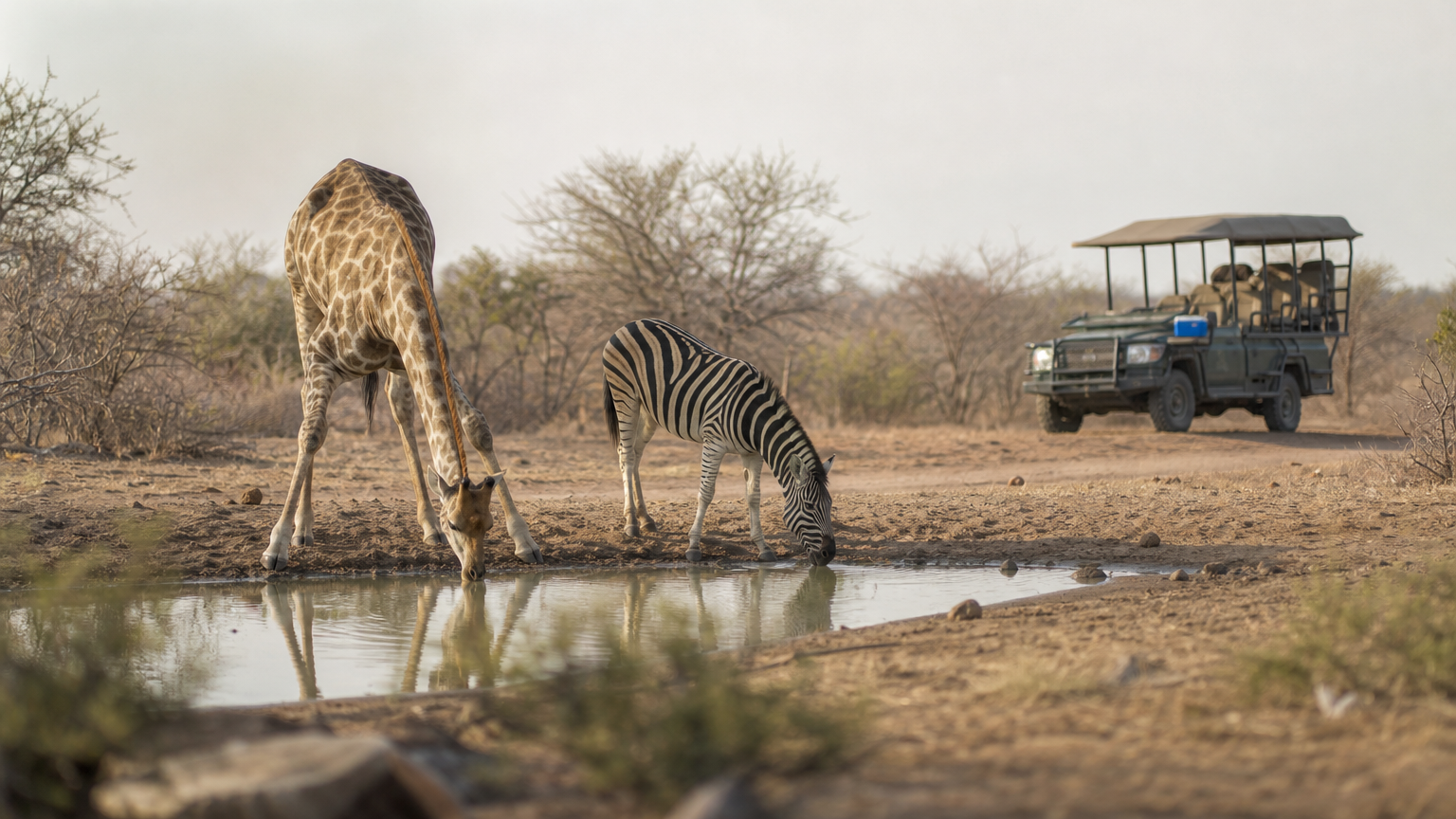
- May to September: best visibility, cool mornings, and lower malaria risk.
- October to March: hot and rainy, with baby animals, migrant birds and dense bush.
- Early morning drives in June and July can be cold, so pack layers.
Pick May to September for the clearest sightings.
Wildlife and trade-offs
You can see the Big Five here, and the park is open to self-drive visitors as well as guided safaris. Kruger lies in a malaria area, so ask a travel doctor about prevention before you go.
This pick suits first-timers and families who want straightforward logistics. It also works for anyone combining a safari with Cape Town or the Garden Route.
5. Namibia’s Etosha for waterhole photography
Best months
Etosha is best from May to October, when the pans dry out and animals depend on permanent waterholes. Late dry season, around August to October, is often the most reliable for sightings.
- May to July: cooler weather and good light for photography.
- August to October: peak concentrations of elephants, lions and rhinos at the waterholes.
- November to April: rainy season, with animals dispersed and harder to find.
Plan for the late dry season to see wildlife at the waterholes.
Wildlife and trade-offs
Etosha’s camps have floodlit waterholes where you can watch rhinos and elephants after dark, without leaving camp. Distances are long, so build in driving time.
This pick suits photographers and independent road-trippers. It is less suited to travelers who want a lot of variety in landscapes and habitats in one short trip.
Pick your month, then your park
Match the month to your goal. Late July to September suits river crossings in Kenya and northern Tanzania. January to March suits calving in southern Tanzania. June to October suits the Okavango, and May to October suits Kruger and Etosha. The dry months give you the clearest sightings, while the green months give you lower rates and fewer vehicles.
If Tanzania is on your shortlist, we can match your dates and budget to the right parks and the right pace. Request a tailored Tanzania safari quote and we will build the itinerary around you.